Stablecoins in Brazil: USDT, USDC and Your Best Options
Have you ever wondered how to hold digital dollars without big ups and downs? Stablecoins brazil like USDT and USDC are designed to keep value steady and bridge local and global finance.
With crypto markets so volatile, many Brazilians seek safer alternatives to manage their savings or make payments. But how do you buy and use these dollar-pegged coins smoothly while avoiding hidden costs?
This guide dives into the main stablecoins accepted in Brazil, the best platforms to buy them, and crucial tips to keep your funds safe and compliant. Curious? Let’s explore together.
Understanding what stablecoins are and how they work
Stablecoins are a type of cryptocurrency designed to maintain a stable value by being pegged to a reserve asset, usually a traditional currency like the US dollar. This stability helps users avoid the high volatility seen in most cryptocurrencies. USDT (Tether) and USDC (USD Coin) are two widely used stablecoins backed by reserves to ensure their value stays consistent.
Unlike other digital currencies, stablecoins serve as a bridge between traditional finance and the crypto world. They enable easier transactions, remittances, and savings without exposing users to the wild price swings of Bitcoin or Ethereum. This makes them especially useful for people in Brazil looking for a digital dollar alternative that holds value.
Stablecoins operate through blockchain technology but maintain their peg through different mechanisms. Some use actual dollar reserves held by trusted custodians, while others use algorithms to adjust supply and demand. USDT, managed by Tether Limited, backs each token with corresponding fiat currency reserves. Meanwhile, USDC, developed by Circle and Coinbase, undergoes monthly audits to verify reserves.
How to buy USDT and USDC safely in Brazil
Buying stablecoins like USDT (Tether) and USDC (USD Coin) safely in Brazil requires careful steps to ensure security and compliance. Both stablecoins are popular digital dollars backed by reserves, and purchasing them on reputable platforms minimizes risks.
The first step is choosing a trustworthy cryptocurrency exchange that supports both USDT and USDC, such as Mercado Bitcoin, Binance, or Coinbase, which provide secure trading environments and comply with local regulations. After registering on these platforms, complete the identity verification (KYC) process, which includes submitting valid identification documents and proof of residence.
Step-by-step guide to buy USDT and USDC safely
- Create an account on a reliable exchange that supports these stablecoins.
- Complete identity verification by submitting your official identification and proof of address, often requiring documents like CPF (Cadastro de Pessoas Físicas) and a utility bill.
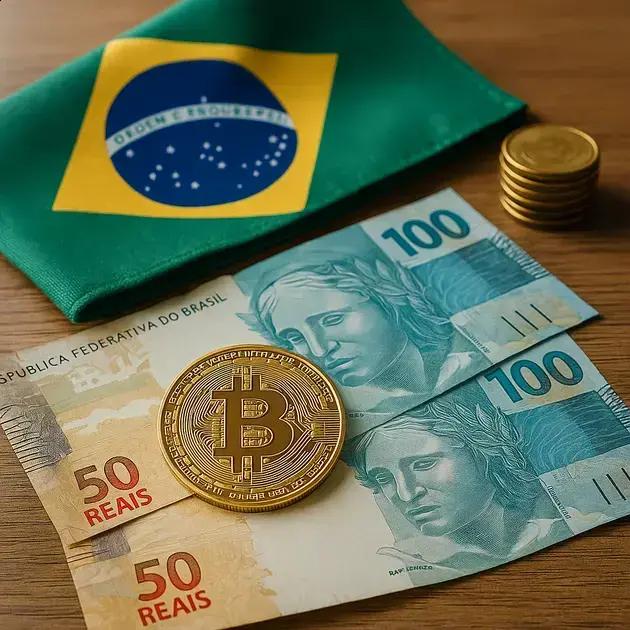
- Deposit Brazilian real (BRL) into your account using approved payment methods like bank transfer or PIX.
- Navigate to the trading section and select the pair BRL/USDT or BRL/USDC to place your buy order.
- Confirm the transaction and securely store the stablecoins in a compatible wallet if you plan to transfer them outside the exchange.
Using wallets such as MetaMask or Trust Wallet provides enhanced control and security. These wallets support various blockchains and allow easy management of stablecoins. Always enable two-factor authentication (2FA) and avoid sharing sensitive information.
Be aware of common pitfalls like phishing scams, fake websites, and offers that seem too good to be true. Sticking to major exchanges and official apps is the best defense against fraud in the crypto market.
Comparing fees and rates across popular exchanges
When buying stablecoins like USDT and USDC in Brazil, understanding the fees and exchange rates is crucial to maximize value. Different cryptocurrency exchanges charge varying fees for transactions, deposits, withdrawals, and currency conversion.
Trading fees and their impact
Most exchanges charge a percentage fee on each trade, often called a trading fee or commission. For example, Mercado Bitcoin and Binance typically charge between 0.1% and 0.5%, but these rates can vary based on the trading volume and user verification level.
Deposit and withdrawal fees can also affect the final cost. Some platforms offer free deposits via PIX or bank transfer, but withdrawals of BRL or stablecoins might incur fees depending on the method.
Exchange rates and spreads
The rate at which you exchange BRL for stablecoins matters. Sometimes, the quoted price includes a spread— the difference between the buying and selling price—which can increase costs unofficially.
’It’s important to compare real-time rates across multiple platforms to find the best deal. Prices may differ due to liquidity, market demand, or operational costs.
Popular exchanges in Brazil
- Mercado Bitcoin: Brazil’s largest exchange, known for wide liquidity but medium fees.
- Binance: Global leader offering competitive fees and multiple payment methods.
- Coinbase: User-friendly but relatively higher fees; best for beginners.
- NovaDAX: Local exchange with moderate fees and good customer support.
- BitcoinTrade: Offers competitive prices and low withdrawal fees.
Evaluating these elements lets you choose the best platform based on convenience, cost, and safety. Always consider using wallets to securely store stablecoins after purchase to avoid additional fees.
Best storage methods for dollar stablecoins
Storing dollar stablecoins like USDT (Tether) and USDC (USD Coin) securely is essential to protect your assets from theft or loss. The choice of storage depends on your needs for convenience, security, and control over your funds.
Hot wallets are software-based wallets connected to the internet. They are easy to use and ideal for daily transactions but come with higher risks due to potential hacking attacks. Examples include wallets like MetaMask and Trust Wallet, which support multiple cryptocurrencies and provide user-friendly apps for desktop and mobile.
Cold wallets for enhanced security
Cold wallets are offline storage solutions that keep your private keys disconnected from the internet, significantly reducing hacking risks. These include hardware wallets such as the Ledger Nano S and Trezor Model T. They are highly recommended for long-term holders or those managing larger amounts of stablecoins.
Using cold wallets involves initializing the device through the manufacturer’s official app, setting up PIN codes, and safely backing up recovery phrases. Strictly keep recovery phrases offline and private.
Another less common but secure method is paper wallets, where private keys are printed or written on physical media. However, these require careful handling to avoid damage or loss.
For both storage types, always remember to:
- Enable two-factor authentication (2FA) on all accounts linked to your stablecoins.
- Regularly update your wallet software to protect against vulnerabilities.
- Use strong, unique passwords for your wallets and exchange accounts.
Choosing the right storage method depends on whether you prioritize accessibility or security. Many users combine wallets, keeping smaller amounts in hot wallets for spending and larger sums in cold wallets for safe storage.
Regulatory risks and how to stay compliant in Brazil
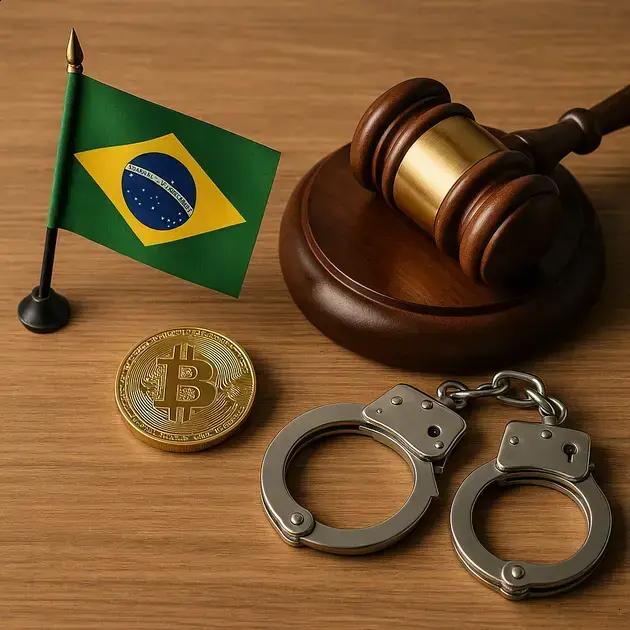
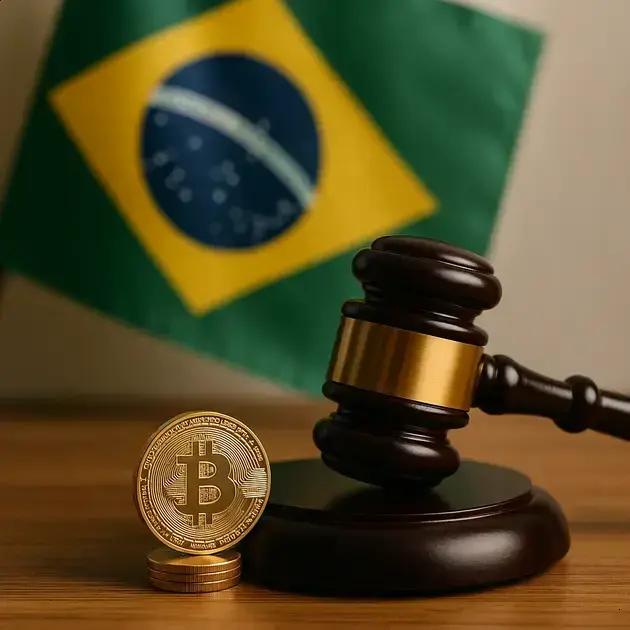
The regulatory environment surrounding stablecoins in Brazil is evolving as authorities work to ensure a secure and transparent market. The Central Bank of Brazil (Banco Central do Brasil) plays a key role in developing rules to manage risks related to anti-money laundering (AML), consumer protection, and financial stability.
One of the main challenges is that stablecoins operate in a space between traditional currencies and cryptocurrencies, which can lead to uncertainty regarding how existing laws apply. To stay compliant, businesses and individuals should closely follow regulations issued by authorities and seek professional advice.
Key compliance practices for users and companies
For users buying or using stablecoins like USDT and USDC, it is important to conduct transactions only on regulated exchanges that implement strong Know Your Customer (KYC) and AML checks. This reduces fraud risks and ensures alignment with Brazilian law.
Companies dealing with stablecoins must register with the appropriate financial agencies and regularly report transactions as required. Compliance programs should include continuous monitoring, staff training, and transparent record-keeping.
Brazil’s regulatory landscape is poised to introduce further clarity soon, especially regarding crypto taxation and licensing. Staying informed about official announcements from the Brazilian Securities and Exchange Commission (CVM) and the Central Bank is essential to avoid penalties.
Being proactive about compliance not only protects against legal trouble but also builds trust with partners and customers in the growing stablecoin ecosystem.
FAQ – Common Questions About Stablecoins in Brazil
What are stablecoins and why are they important in Brazil?
Stablecoins are cryptocurrencies pegged to stable assets like the US dollar. In Brazil, they offer a way to hold digital dollars with less volatility than typical cryptocurrencies.
How can I safely buy USDT and USDC in Brazil?
To buy USDT and USDC safely, use reputable exchanges with strong security measures, complete identity verification, and avoid unofficial or unregulated platforms.
What fees should I expect when purchasing stablecoins in Brazil?
Exchanges charge trading fees, deposit and withdrawal fees, and must consider exchange rate spreads. Comparing multiple platforms helps find the best deals.
What are the best methods to store stablecoins securely?
Hot wallets like MetaMask are good for daily use, while cold wallets such as Ledger Nano S provide enhanced security for long-term storage by keeping assets offline.
Are there regulatory risks related to stablecoins in Brazil?
Yes, the Brazilian Central Bank regulates stablecoins to prevent fraud and money laundering. Users should transact on compliant exchanges and follow local rules.
How can I stay compliant when using stablecoins in Brazil?
Use regulated platforms with proper KYC/AML policies, stay informed about regulations from Brazilian authorities, and consider professional legal advice to comply with requirements.