Brazil Selic Interest Rate 2026: What Investors Need to Know
Have you ever wondered how Brazil’s key interest rate could shape your investment strategies? The brazil selic interest rate 2026 might be the missing piece in understanding market shifts and economic trends for the coming years.
With rising global uncertainties and local economic challenges, the Selic rate’s movements often ripple across stocks, bonds, and even foreign investment flows. Knowing the trends means you’re not caught off guard.
In this article, you’ll get a clear picture of where the Selic is headed, why it matters for your portfolio, and how it stacks up against major central banks like the Fed and ECB. Stick around, this might just change how you see the Brazilian market.
Understanding the Selic Rate and Its Role in Brazil’s Economy
The Selic rate, officially known as the Sistema Especial de Liquidação e Custódia rate, is the benchmark interest rate set by Brazil’s Central Bank (Banco Central do Brasil). It is the primary tool used in the country’s monetary policy to control inflation and steer economic growth.
Understanding its role is crucial because the Selic rate influences borrowing costs, consumer spending, and investment decisions throughout Brazil’s economy. When the Central Bank adjusts the Selic rate, it affects the rates that banks offer to individuals and businesses for loans and savings.
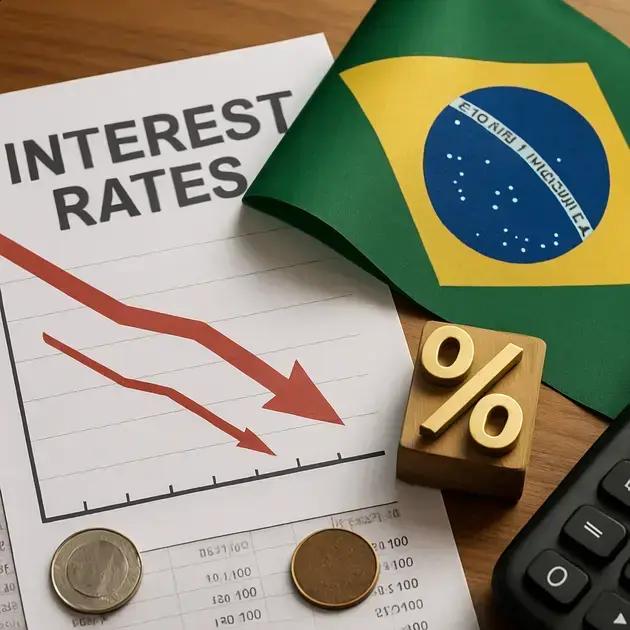
For example, an increase in the Selic rate typically leads to higher costs for borrowing money, which can slow down spending and reduce inflationary pressures. Conversely, a lower Selic rate encourages borrowing and investment, potentially stimulating economic activity.
The Selic rate also impacts the returns on government bonds and other financial instruments, making it a key reference for investors assessing market opportunities in Brazil.
Historical Trends and Forecasts for the Selic Rate in 2026
The Selic rate has experienced notable changes over the past decades, reflecting Brazil’s economic cycles and inflation control efforts. Historically, the rate has swung from extremely high levels in the 1990s, reaching over 40%, to much lower levels in recent years, sometimes below 5% during periods of economic stimulus.
Historical trends show that the Central Bank of Brazil uses the Selic rate as a primary tool to tackle inflation and stabilize the economy. For example, during periods of high inflation, the bank often raises the Selic rate to cool down spending and price increases.
Forecasting the Selic rate for 2026 involves analyzing multiple factors, including global economic conditions, domestic inflation trends, fiscal policies, and political stability. Experts predict that the rate in 2026 will balance between promoting growth and keeping inflation in check.
Specifically, the Central Bank’s forecasts suggest a moderate increase or stabilization of the Selic rate to manage inflationary pressures while supporting economic recovery after recent global disruptions.
Investors should consider these forecasts carefully, as the Selic rate impacts everything from bond yields to currency valuation. Staying informed about these trends helps in making better decisions for long-term financial planning.
How the Selic Rate Affects Stocks, Fixed Income, and Exchange Rates
The Selic rate plays a critical role in shaping Brazil’s financial markets, particularly influencing stocks, fixed income investments, and exchange rates. Changes in the Selic rate impact investor behavior, borrowing costs, and currency valuation, which in turn affect the overall economic environment.
When the Selic rate rises, borrowing money becomes more expensive. This often leads to lower corporate profits as companies pay more on their loans, causing stock prices to drop. Conversely, a lower Selic rate tends to boost stocks since cheaper borrowing encourages expansion and investment.
Fixed income investments, such as government bonds, are directly tied to the Selic rate. Higher rates mean higher yields for new bonds, making them more attractive to investors seeking safer returns. Older bonds with lower interest rates may lose value in this scenario.
The exchange rate is also strongly influenced by changes in the Selic rate. When rates increase, higher returns attract foreign capital, leading to an appreciation of the Brazilian real. A stronger real can reduce inflation by lowering import costs but might make exports less competitive globally.
Investors should closely monitor the Selic rate, as its fluctuations can significantly affect the composition and performance of an investment portfolio in Brazil.
Comparing Brazil’s Monetary Policy with the Fed and ECB
Brazil’s monetary policy, led by Banco Central do Brasil, uses the Selic rate as its main tool to influence inflation and economic growth. In comparison, the Federal Reserve (Fed) in the United States and the European Central Bank (ECB) in Europe have similar roles but operate under different economic conditions and mandates.
The Fed focuses on dual goals: maximizing employment and stabilizing prices, adjusting the federal funds rate accordingly. Its decisions often reflect the U.S. economic outlook, inflation rates, and employment data. The Fed’s policy adjustments tend to impact global markets due to the U.S. dollar’s reserve currency status.
The ECB aims primarily to maintain price stability within the Eurozone, using its main refinancing rate to guide monetary policy. Unlike Brazil and the U.S., the ECB governs multiple nations, which makes its policy decisions more complex due to diverse economic conditions across member states.
Brazil’s Central Bank focuses on controlling inflation through the Selic rate, often facing challenges unique to emerging markets, such as currency volatility and higher inflation expectations. Meanwhile, the Fed and ECB benefit from more stable economic environments but must navigate their own regional complexities.
Understanding these differences helps investors anticipate how changes in each institution’s policies might affect currency fluctuations, interest rates, and investment flows, especially for portfolios involving Brazil, the U.S., and Europe.
FAQ – Common Questions About Brazil Selic Interest Rate 2026
What is the Selic rate and why is it important?
The Selic rate is Brazil’s benchmark interest rate set by Banco Central do Brasil. It influences inflation, borrowing costs, and overall economic activity.
How does the Selic rate affect investments in Brazil?
The Selic rate impacts stocks, fixed income, and currency values. Higher rates can increase bond yields but may lower stock prices due to higher borrowing costs.
What factors influence the Selic rate forecasts for 2026?
Factors include global economic conditions, domestic inflation trends, fiscal policies, and political stability in Brazil.
How does Brazil’s monetary policy compare to the Fed and ECB?
Brazil uses the Selic rate mainly to control inflation in an emerging market, while the Fed targets employment and inflation, and the ECB focuses on price stability across multiple countries.
Can changes in the Selic rate affect the Brazilian real exchange rate?
Yes, an increase in the Selic rate often attracts foreign capital, leading to a stronger Brazilian real, which influences exports and imports.
Where can investors get official information about the Selic rate?
Official information is available from Banco Central do Brasil through their website, official reports, and financial publications.