Brazil Fintech Revolution: How Technology is Disrupting Finance
Ever wondered how everyday banking is evolving right in your hands? Brazil fintech 2026 marks a turning point, where technology and finance are blending like never before.
With digital platforms rising fast and innovative apps changing how we pay, save, and invest, the question is—how does this truly affect you? For millions, it means simpler access and smarter money management.
Stick around as we unpack the main players, regulations, and breakthroughs shaping this vibrant scene, and what it means for your wallet tomorrow.
The rise of fintech companies brazil and their impact
Brazil has witnessed a dynamic surge in fintech companies, drastically reshaping the financial ecosystem. These innovative businesses introduce new ways for individuals and companies to manage money, make payments, and access credit.
Fintech companies in Brazil range from digital banks and payment processors to lending platforms and investment apps. Their main strength lies in leveraging technology to offer faster, more accessible, and customer-centric financial services. This shift responds directly to the demand for convenience and financial inclusion.
Many fintechs have pushed the boundaries by reducing dependency on traditional banking. For example, digital banks like Nubank, founded by Nubank itself, provide fee-free accounts and instant credit cards. These firms typically use mobile apps available on Android, iOS, and web platforms to reach users nationwide, with requirements as low as a smartphone and internet connection.
The impact of these companies also includes driving competition, encouraging transparency, and helping underserved communities gain access to essential financial tools. However, this rapid growth introduces new challenges in regulation and cybersecurity that both startups and authorities continue to address together.
What makes fintechs unique in Brazil
Brazilian fintechs often focus on simplifying user experience while offering innovative features like instant payments through Pix, customized credit scoring, and automated investment advice. Their agile approach attracts millions who seek alternatives to cumbersome traditional banks.
Understanding open banking and open finance in brazil
Open banking in Brazil is a system that allows financial institutions to share customer data securely with authorized third parties, with customer consent. Regulated by the Central Bank of Brazil, this framework aims to boost transparency, competition, and innovation in the financial sector.
Open finance is an evolution of open banking that broadens data sharing beyond banking to include insurance, investments, and pensions. Both systems enable customers to have better control over their financial data, making personalized financial services more accessible.
How open banking works in Brazil
Open banking operates through APIs (Application Programming Interfaces) that connect banks, fintechs, and other institutions. It allows consumers to:
- Share their financial information securely across platforms
- Access tailored financial products and offers
- Manage accounts from multiple institutions in one place
- Make payments and transfer funds efficiently
- Benefit from better credit assessment and lending conditions
Since its launch, open banking has empowered millions of Brazilians by fostering more competitive and customer-friendly services.
Using open finance platforms
Consumers can use official platforms and apps authorized by the Central Bank of Brazil. These apps require clear customer consent to share data. It is important to use only those officially registered to ensure data security.
How Pix transformed digital banking brazil landscape
Pix is a revolutionary instant payment system launched by the Central Bank of Brazil in November 2020. It has fundamentally changed the digital banking landscape by allowing individuals and businesses to transfer money instantly, 24/7, at no cost.
The key feature of Pix is its speed and availability. Transactions are completed within seconds regardless of the time or day, which contrasts sharply with traditional banking methods that can take hours or days depending on the system.
Main benefits of Pix
- Accessibility: Available to anyone with a bank account in Brazil, across all major banks and fintech institutions.
- Cost-efficiency: No fees for individuals making payments or transfers, promoting financial inclusion.
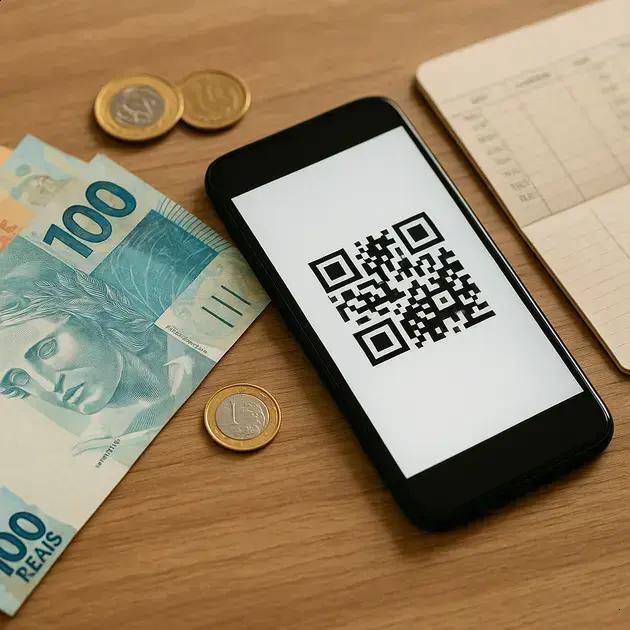
- Convenience: Users can make payments through QR codes, phone numbers, email addresses, or tax ID numbers, simplifying the payment process.
- Security: Pix uses advanced encryption and authentication protocols regulated by the Central Bank to ensure safe transactions.
The introduction of Pix has encouraged fintech companies to innovate their services by integrating instant payments into apps and platforms, making digital banking more user-friendly and efficient. For example, many fintech digital wallets and apps have incorporated Pix for seamless peer-to-peer payments, bill payments, and merchant transactions.
This payment method not only supports daily financial activities but also boosts electronic commerce and reduces cash dependency, critically advancing Brazil’s digital economy transformation.
Investment opportunities and future trends in brazil fintech 2026
Brazil fintech 2026 presents vast investment opportunities driven by rapid digital transformation and growing consumer demand. Investors are increasingly focusing on innovative startups that offer solutions in payments, lending, insurance, and wealth management.
The Brazilian fintech market benefits from a large unbanked population, increasing smartphone penetration, and supportive regulatory frameworks such as the Central Bank’s initiatives. These factors create fertile ground for new products and services that enhance financial inclusion.
Key future trends shaping fintech investments
One major trend is the expansion of open banking and open finance systems, which foster data sharing and personalized financial products. This trend encourages collaboration between traditional banks and fintechs, unlocking new markets.
Artificial intelligence (AI) and machine learning are also gaining traction for credit risk analysis, personalized banking experiences, and fraud prevention. The integration of blockchain technology is another evolving area, promising greater security and transparency in transactions.
Moreover, sustainability-focused fintechs are emerging, offering green finance products aligned with environmental goals, attracting socially responsible investors.
- Understanding regulatory environment: The Central Bank of Brazil has strict guidelines that fintechs must follow to protect consumers and ensure system integrity.
- Investment vehicle options: Investors can explore equity stakes in startups, venture capital funds specializing in fintech, or digital asset platforms offering alternative finance.
- Risks and rewards: While the fintech sector offers high growth potential, it also involves risks such as regulatory shifts and market competition, requiring due diligence.
Investors looking to capitalize on Brazil’s fintech revolution should stay informed about market dynamics, technology advancements, and government policies to make strategic decisions.
FAQ – Brazil Fintech Revolution and Investment Opportunities
What is Pix and how has it transformed digital banking in Brazil?
Pix is an instant payment system launched by the Central Bank of Brazil in 2020 that allows fast, 24/7 money transfers at no cost, significantly improving convenience and financial inclusion.
How does open banking work in Brazil?
Open banking allows customers to securely share their financial data with authorized third parties through APIs, enabling personalized and more competitive financial services.
What are the main benefits of Brazil’s fintech companies?
Brazilian fintechs offer faster, accessible, and customer-centric financial services, promoting financial inclusion, transparency, and innovative solutions across banking, payments, and investments.
What future trends are shaping investment opportunities in Brazil’s fintech sector?
Key trends include expansion of open banking/finance, use of AI and blockchain technologies, and the rise of sustainability-focused fintechs, providing diverse investment opportunities.
How can investors safely enter Brazil’s fintech market?
Investors should understand the regulatory environment, conduct thorough due diligence, and consider various investment vehicles like equity stakes, venture capital funds, or digital asset platforms.
Are digital banks in Brazil accessible to most people?
Yes, digital banks such as Nubank are widely available and typically operate through apps on Android, iOS, or web, offering easy access to financial services with minimal requirements.